Outdoor spaces are often subjected to a variety of environmental factors, making the choice of materials crucial for long-term durability and aesthetic appeal. When it comes to selecting tiles for patios, walkways, or pool areas, homeowners frequently weigh the benefits of Mexican Terracotta Tile against Ceramic Tile. Each has its own strengths and characteristics that make it suitable for different applications. This article will analyze the durability of these two tile types, providing insights into their suitability for outdoor use, and will help you make an informed decision for your home improvement project.
Mexican Terracotta Tile: A Traditional Choice for Outdoor Spaces
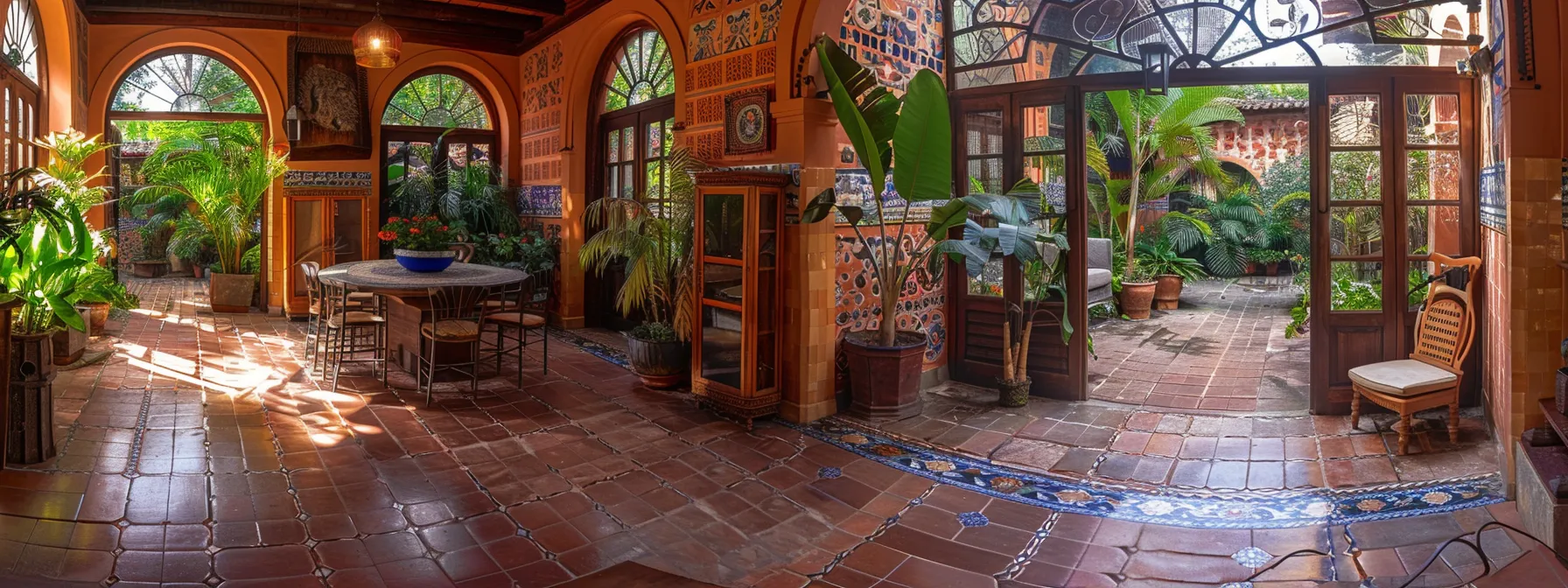
Mexican Terracotta Tile is renowned for its rustic charm and traditional appeal. Handcrafted from natural clay and often left unglazed, these tiles bring a touch of authenticity to any outdoor setting. The natural color variations and textures can enhance a Mexican Terracotta Tile installation, offering a warm and inviting appearance. In terms of durability, terracotta is known for its porous nature, which means it can absorb moisture. To counteract this, a sealant is typically applied during installation and periodically maintained to prevent water infiltration and frost damage.
This traditional tile option is ideal for areas with moderate climates, where freeze-thaw cycles are minimal. Its ability to blend seamlessly with a variety of hardscape elements, such as stone pathways or wooden decks, makes it a versatile choice for outdoor enthusiasts looking to create a cohesive design. The use of terracotta tiles can contribute to a well-rounded design intent, allowing homeowners to achieve their aesthetic goals through a combination of materials.
Ceramic Tile: Modern Versatility and Design Options
Ceramic Tile offers a modern alternative with a wide range of design possibilities. Manufactured using advanced techniques, ceramic tiles come in various finishes, colors, and styles, easily integrated into a mood board during the planning phase. This versatility allows for personalized designs that can match any architectural style or landscape theme. Ceramic tiles are typically glazed, providing a protective layer that enhances their water resistance and makes them suitable for outdoor installations.
The durability of ceramic tiles is supported by their less porous surface, which helps to prevent water absorption and subsequent damage. This feature makes ceramic tiles particularly suitable for regions with more extreme weather conditions. Furthermore, their compatibility with modern tools like CAD software allows designers to create precise scaled drawings and site plans, ensuring that every tile fits perfectly within the designated space.
Durability Comparison: Mexican Terracotta vs Ceramic Tile
When comparing the durability of Mexican Terracotta Tile and Ceramic Tile, several factors come into play, including climate, installation quality, and maintenance practices. Terracotta tiles, while aesthetically pleasing and traditional, require regular maintenance due to their porous nature. They are best suited for areas with mild weather where the risk of frost damage is low.
Ceramic tiles, on the other hand, boast a more robust construction due to their manufacturing process, which makes them less susceptible to environmental damage. The glaze on ceramic tiles acts as a shield against moisture and stains, contributing to their longevity in outdoor environments. For those seeking a long-lasting solution with minimal upkeep, ceramic tiles may provide a more reliable option.
According to a recent study by Architectural Digest, ceramic tiles exhibit superior resistance to wear and tear when compared to unsealed terracotta tiles. This makes them a preferred choice for high-traffic areas or locations with fluctuating weather conditions.
Maintenance Considerations for Outdoor Tile Installations
Proper maintenance is crucial for extending the life of any tile installation, whether terracotta or ceramic. For Mexican Terracotta Tile, regular sealing is necessary to maintain its integrity against moisture and temperature changes. This involves applying a sealant every few years, as indicated by a finish schedule, to ensure the tiles remain protected.
Ceramic tiles require less frequent maintenance due to their non-porous nature and durable surface. Routine cleaning with mild detergents and occasional inspections for cracks or chips will help maintain their appearance and functionality. A well-executed punch list at the end of the project can ensure all tiles are properly installed and finished, reducing the need for immediate repairs.
Both tile types benefit from a well-planned schematic design that considers factors such as lead time, as-built drawings, and any necessary zoning variances. This comprehensive approach will ensure a successful outdoor tile installation that meets both aesthetic and functional requirements.
Conclusion

Choosing between Mexican Terracotta Tile and Ceramic Tile for outdoor spaces depends on various factors, including climate, desired aesthetic, and maintenance commitment. Mexican Terracotta Tile offers a traditional look and feel that can enhance rustic and natural settings, while Ceramic Tile provides greater durability and versatility for modern designs. Ultimately, the decision should align with your specific needs and the environmental conditions of your outdoor space, ensuring a beautiful and lasting installation.